Insights individual
Top 5 things look for in modern homes
Expert insights designed to help you understand the market and make smarter real estate decisions.
Aug 5, 2025
Introduction
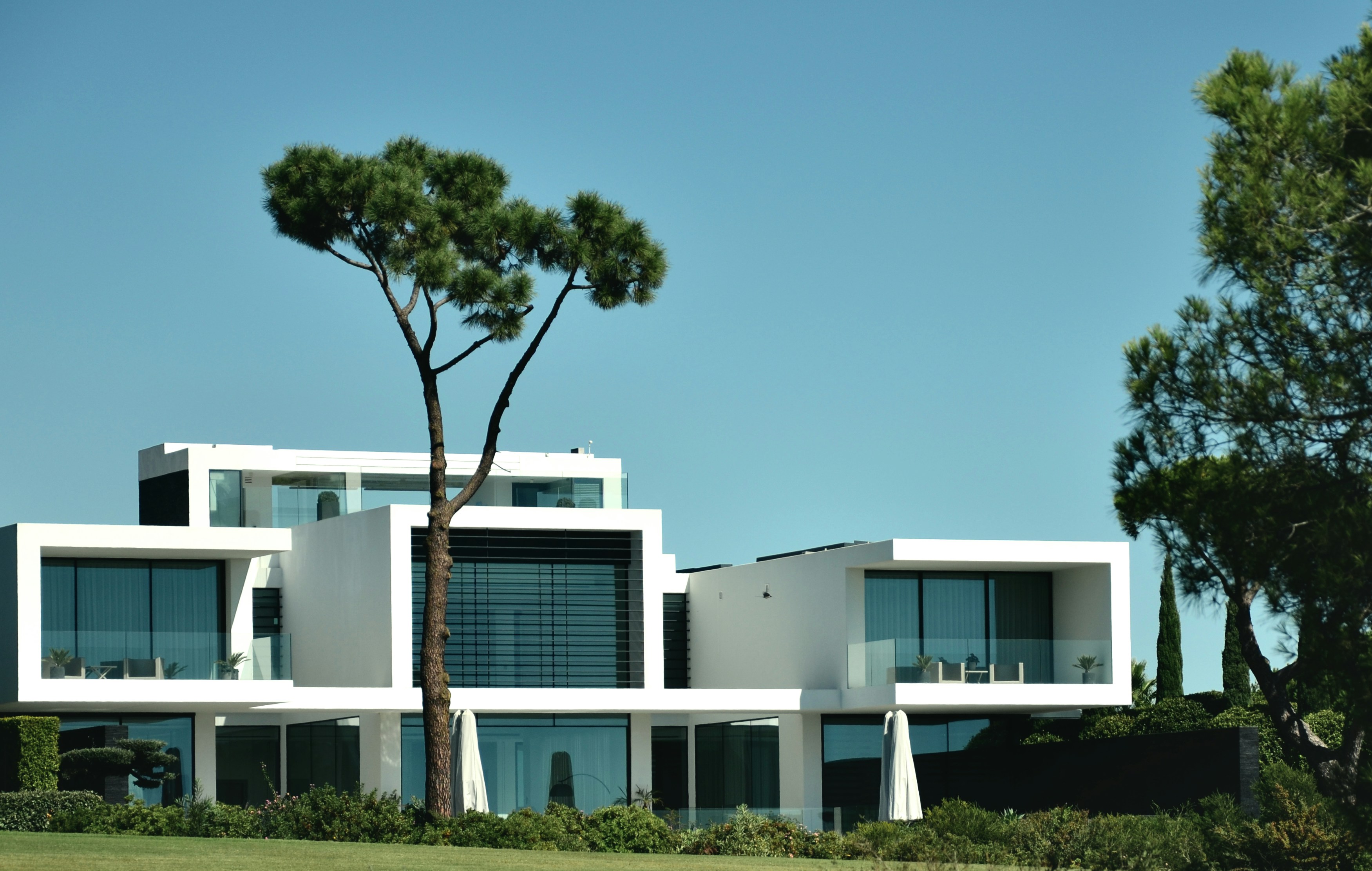
The idea of an ideal home has evolved rapidly in the last decade, and 2025 marks a significant shift in how buyers evaluate properties. Today’s homebuyers are more informed, more value-driven, and more future-focused than any previous generation. They are no longer satisfied with just a good location or a spacious layout. Instead, they seek homes that adapt to their lifestyle, support their aspirations, and provide long-term reliability. The modern buyer expects a space that blends comfort, technology, sustainability, convenience, and emotional appeal. This article dives deep into the changing mindset of homebuyers in 2025 and uncovers the elements that influence their decisions at every step of the journey.
One of the most defining changes in buyer expectations is the demand for smart living. Technology has become an integral part of everyday life, and homes are now expected to keep pace with that integration. Buyers look for intelligent security systems, seamless automation for lights and climate control, energy-monitoring tools, and voice-enabled functionalities that make routines effortless.
What used to be considered premium features have now become standard expectations. A home that lacks modern automation feels outdated even if it is newly constructed. Buyers gravitate toward homes that reduce effort, enhance safety, and create a sense of intuitive living. The emotional comfort of knowing a home is equipped with intelligent systems strongly influences buyer confidence and willingness to invest.
Lifestyle-Driven Community Amenities
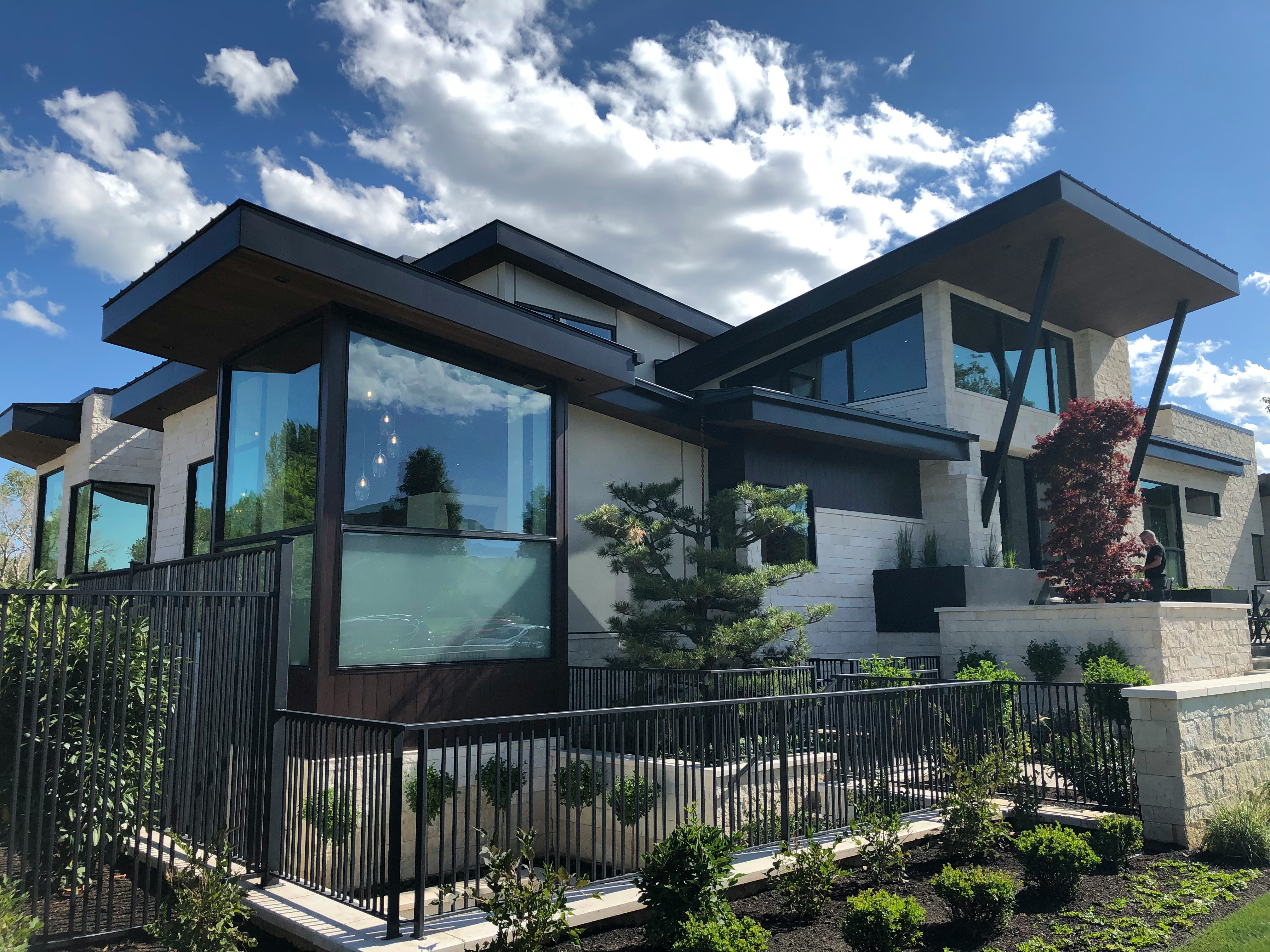
Alongside technology, sustainability has transitioned from a trend to an essential requirement. Buyers today understand both the environmental and financial value of eco-friendly living. Energy-efficient appliances, insulated walls, water-saving fixtures, solar-ready rooftops, and low-impact materials are no longer optional add-ons; they are decisive factors that can sway final purchasing decisions. Sustainability aligns with long-term savings, environmental responsibility, and healthier living conditions. A home that promises lower utility bills, reduced carbon footprint, and enhanced durability becomes a far more attractive investment. As global awareness around climate change increases, buyers feel a deeper responsibility to choose homes that support greener lifestyles, and this sentiment heavily shapes their property preferences in 2025.
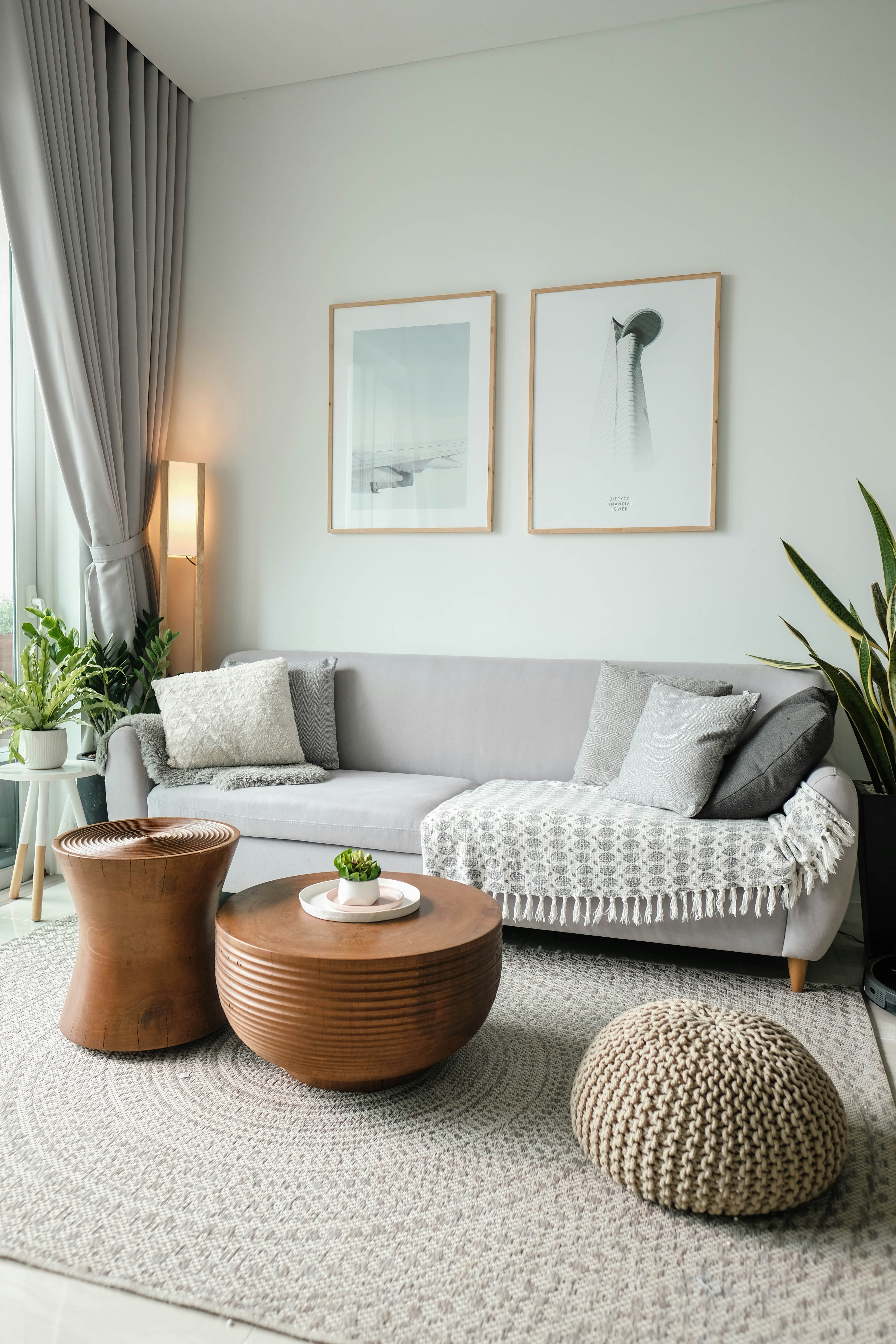
The shift toward hybrid living has also transformed what buyers expect from interior spaces. With remote work becoming a long-term reality for millions, flexibility has become the backbone of modern home design. Buyers want homes that can adapt to their evolving needs — spaces that blend personal and professional life without compromise.

Sustainability and Long-Term Efficiency
A dedicated workspace, a quiet reading nook, a multi-purpose guest room, an indoor wellness corner, or even outdoor seating areas suitable for work calls have gained enormous importance. A home that allows people to transition smoothly between work, leisure, and rest becomes far more appealing than one with rigid, traditional layouts. This need for adaptable living emphasizes the growing importance of thoughtful architectural design that anticipates lifestyle changes over time.
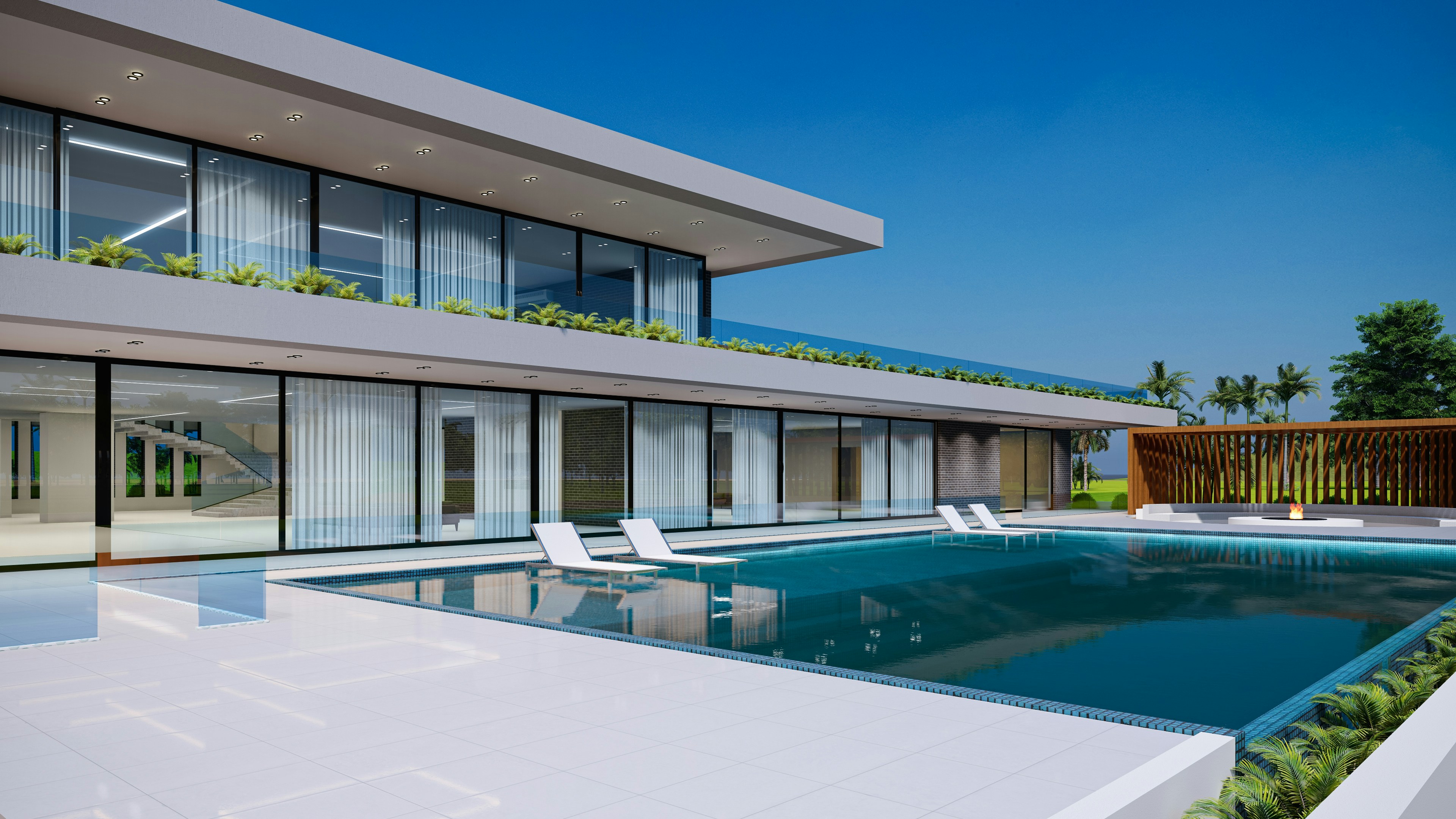
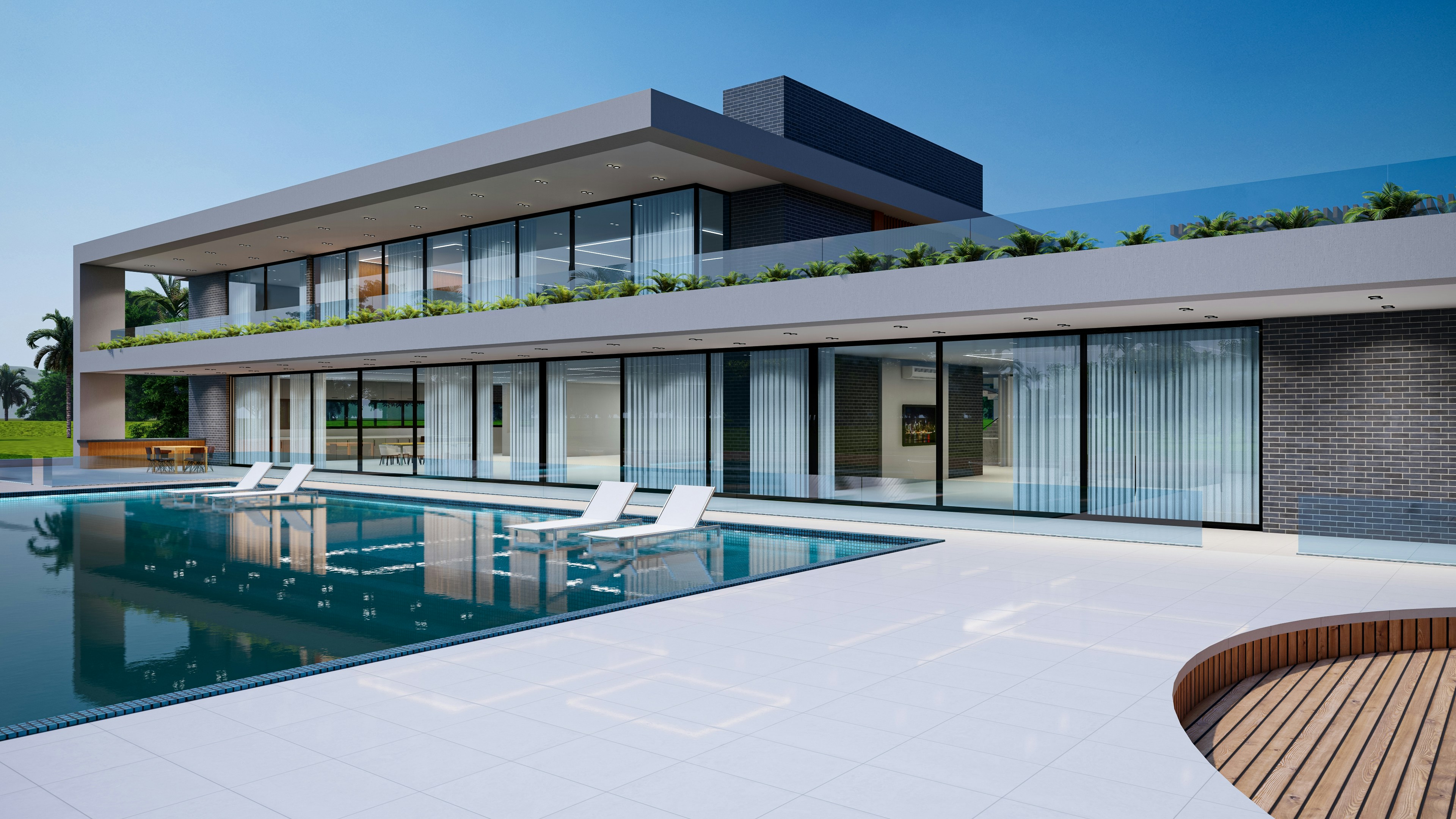
Community living is another pillar shaping the decisions of modern buyers. People are increasingly choosing homes based on the lifestyle their surroundings can provide. Access to amenities such as green walking paths, fitness centers, swimming pools, co-working areas, secure gated environments, playgrounds, cafés, and convenient retail outlets significantly influences buying behavior. Buyers want more than a house; they want an ecosystem that supports their well-being, productivity, and social life. A well-planned community enhances the sense of belonging and ensures that essential needs are met without constant travel. This lifestyle-driven approach makes community amenities more valuable than ever, and properties lacking them often struggle to compete, regardless of interior quality.
More Insights
Explore deeper insights from our team to strengthen your understanding of digital strategy, real estate trends, and modern web experience design.